
Men’s Health Blog / Weight Loss and Metabolic Health
How to Lose Fat Without Losing Muscle: Meals and Strength Training
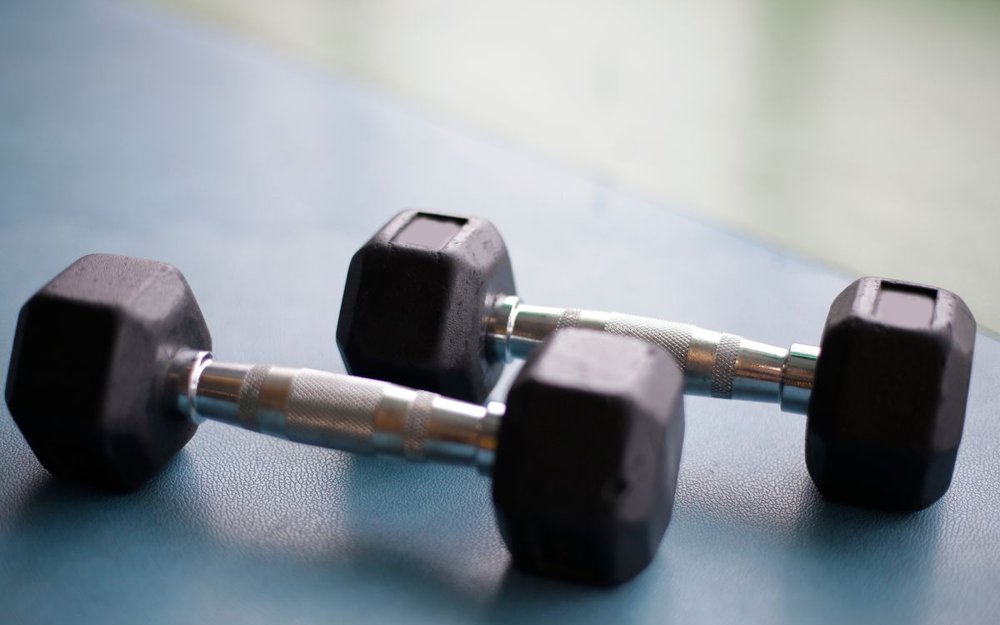
Begin by protecting two appointments in your week and two ingredients in your shopping basket. Set aside days for strength work and keep protein foods you actually enjoy within reach. Then decide where to make a modest reduction in food or drink that leaves enough energy to train and live your life. That order matters. Starting with a long list of foods to eliminate can leave the activities and meals that help preserve muscle as an afterthought. No plan can guarantee that every pound lost will come from fat, but you can influence what the process looks like.
Give Muscles a Reason to Stay
Muscles respond to demand. Walking is excellent for covering distance and building endurance, but most ordinary walks ask little of the muscles you use to push, pull or lift. Resistance work can supply that different challenge. In a review of randomized studies, adults with overweight or obesity who combined dietary weight loss with resistance exercise generally retained more fat-free mass than those using diet alone. Their body weights did not necessarily change more. The evidence describes group results, and fat-free mass includes more than muscle. Read the research review on resistance exercise during weight loss.
Start with movements appropriate to your current abilities. A beginner might practice standing up from a stable chair, pushing against a wall or performing a pulling movement with a securely anchored resistance band. Someone who already lifts regularly may be better served by keeping a familiar program and adjusting its demands to recovery. The basic question is whether you can perform the movement with control and repeat it safely. A qualified trainer or physical therapist can help select exercises if balance, pain or a recent injury limits your options.
Put the Sessions Where They Can Survive a Busy Week
Plan around your calendar before choosing equipment. For example, a father working long shifts on Wednesday and Thursday might reserve Monday after work and Saturday morning for whole-body strength sessions. On a week when both are crowded, he could use a shorter version of the same routine instead of cancelling it altogether. Choosing two anchor days allows time between sessions and makes it easier to notice what recovery feels like. Record the exercises you learned so that each session builds on familiar movements.
For most adults, the CDC recommends working all major muscle groups at least twice a week, alongside aerobic activity. The appropriate starting level depends on health and experience. If you have balance problems, a history of falls or significant heart or joint disease, ask what starting activities make sense for you. Going from inactivity to an exhausting program makes it hard to distinguish ordinary fatigue from a plan that needs adjustment. See the CDC’s activity recommendations.
Give Each Meal an Identifiable Source of Protein
Think of three meals you have actually eaten recently. Could you point to a protein food in each? Eggs, yogurt, fish, poultry, tofu, beans and lentils all count. Spreading choices across the day can be easier than relying on a very large evening meal, especially when appetite is lower. The amount appropriate for a construction worker, a smaller sedentary adult and an older man recovering from illness can differ. Kidney disease or other conditions may change individual recommendations. A dietitian can translate a clinical target into ordinary portions.
A budget-friendly grocery plan might pair oats with plain yogurt for breakfast, use canned beans in a vegetable soup and reserve frozen fish for dinner. If you do not eat dairy, consider foods you already enjoy, such as eggs, lentils, tofu or fortified soy products. Buying a powder is optional. If food costs are tight, compare the price per usable serving and keep one shelf-stable protein option for a day when cooking falls through. A can of beans is useful only if you also have an easy way to turn it into something you want to eat.
Make Room for Fuel Beyond Protein
A meal can contain plenty of protein and still leave you short of energy for your planned activity. Carbohydrate-containing foods such as fruit, beans, rice and whole grains can contribute fuel; fats, vegetables and other foods contribute nutrients and enjoyment. If a workout takes place between a very early lunch and a late supper, try planning something portable beforehand. A banana and yogurt, for example, may be easier to manage than a heavy meal minutes before exercise. Choose foods that sit comfortably and fit any medical advice you have received.
Now look for a change that supports gradual fat loss without removing the meals that power your day. It could be pouring a smaller sugary drink, dividing a large takeout portion into two meals or ordering an extra vegetable side you enjoy. It need not involve all three. A man who feels weak at work or repeatedly skips training because he is hungry may have chosen more restriction than he can sustain. Increasing the restriction again is unlikely to solve that practical problem.
One useful planning exercise is to list two versions of a dinner with the same ingredients. A family taco night could mean beans, chicken, tortillas and vegetables for everyone, with each person choosing the portions that fit. Leftover beans and vegetables can become tomorrow’s lunch. Preserving shared meals removes a common source of friction: having to prepare an entirely separate dinner each evening just to follow your plan.
If you share equipment or train at home, plan a backup for each major movement you have learned. A crowded gym may mean using a different station, while a home session might use a band in place of a machine. Ask an instructor which substitutes train the same movement safely before you need one. This matters most on a busy day: a written alternative keeps you from spending half the session waiting for a particular bench or abandoning the workout because the equipment you expected is unavailable.
Build a Recovery and Maintenance Plan From the Start
Write down what you will do if sleep is short, a work trip interrupts training or an injury limits movement. A travel version might include familiar body-weight movements and a grocery-store breakfast rather than a commitment to finding a gym in every town. A recovery day might mean a comfortable walk and regular meals. Persistent weakness, dizziness or involuntary weight loss warrants medical advice. If you have lost weight unintentionally or are recovering from serious illness, ask whether pursuing additional fat loss is appropriate before starting.
Imagine arriving at a weight where your clinician and you agree maintenance makes sense. Which parts of your present plan would you keep? If the answer is virtually none, the design is probably too narrow. Cooking a dinner the household likes, continuing a twice-weekly strength habit and keeping an easy breakfast available can all work in maintenance. Protecting muscle ultimately means protecting the routines and nutrition that let you use it. A discussion about nutrition coaching can start with the actual meals, schedule and equipment available to you.