
Men’s Health Resources / Sexual Health and Men’s Wellness
Can Diabetes Cause Erectile Dysfunction? What to Check Next
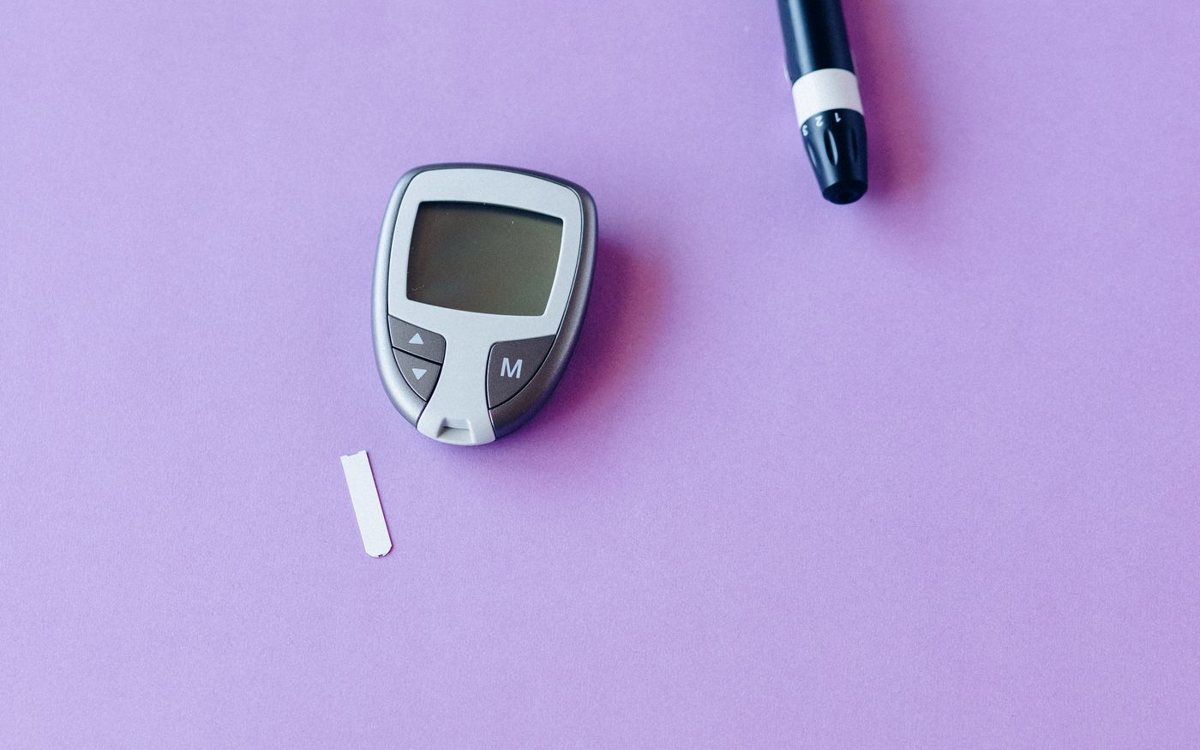
Yes. Both type 1 and type 2 diabetes can contribute to erectile dysfunction, or ED. Over time, diabetes can affect the nerves that signal arousal and the blood vessels that make an erection possible. You can still want sex, feel close to your partner and have difficulty getting or keeping an erection. A change that keeps happening is worth discussing even if your latest blood sugar results look good. You can ask for help with erections at the same appointment where you discuss protecting your health over the long term.
How Blood Sugar, Nerves and Circulation Fit Together
An erection depends on communication. Sexual stimulation triggers nerve signals that help smooth muscle in the penis relax. More blood can then enter erectile tissue. As that tissue fills, it compresses the veins that would otherwise carry blood away. A problem at more than one point in this sequence can feel much the same from the outside. You might get partly firm, or get an erection that fades sooner than you want.
Diabetes can damage the small vessels that supply nerves as well as the vessels that carry blood into the penis. The nerves involved in an erection include autonomic nerves, which handle functions you do not consciously control. Tingling feet are one familiar sign of diabetic nerve disease, but the presence or absence of tingling cannot tell you how well these particular nerves work. Tell your clinician what you experience directly. You do not have to identify the damaged tissue or prove a connection to diabetes before asking for help.
What an A1C Result Can Tell You
A1C estimates your average glucose over roughly the past three months. It is useful for following diabetes care. It cannot show how much blood reaches erectile tissue or whether a particular nerve is sending a signal. Men sometimes put off asking about erections because they think a clinician will simply tell them to improve their A1C. If you have already worked hard to improve it, a persistent sexual symptom deserves its own assessment.
Consider two men who have the same A1C this month. One has lived with type 1 diabetes for twenty years and noticed gradually fading firmness. The other recently learned he has type 2 diabetes and noticed a sudden change after starting a new medication. Their present averages are similar. Their histories suggest different questions. The first man might ask how diabetes complications are assessed. The second might ask his prescriber to review the timing and purpose of the new medicine. Neither should adjust treatment on the strength of this comparison.
There is evidence that glucose management over time matters. Researchers followed men from a trial that compared two approaches to type 1 diabetes care. Among participants who already had early eye or kidney involvement when they entered the trial, those originally assigned to intensive glucose care were less likely to report ED years later. The same difference was not statistically clear in the group that entered without those complications. The study did not establish an A1C threshold that restores erections or a timetable for improvement. Your diabetes team can help set a safe personal target.
Describe What Has Changed in Your Own Words
Try separating interest, firmness and ejaculation. A person can feel desire yet struggle to stay firm. Another can have a firm erection but notice little or no semen with orgasm. Diabetes can affect ejaculation as well, and the two experiences call for different questions. If you and your partner are trying to conceive, mention that goal. A disappearing erection, an orgasm that feels different and a concern about fertility can all be discussed during one visit.
Write down when the change became noticeable and whether it is steady or intermittent. Include any pelvic surgery, new medicine, change in sensation, new curvature or discomfort. A simple account such as “I still wake up with an erection sometimes, but I lose firmness more often than I used to” is useful. Having morning erections does not establish that anxiety is the whole explanation. Losing them does not identify diabetes as the only cause, either. There is no need to repeatedly test yourself at home.
Why a Sexual Health Visit May Include a Heart Discussion
High blood pressure, elevated cholesterol and smoking can affect circulation alongside diabetes. New or persistent ED gives your clinician a reason to revisit cardiovascular risk, including whether daily activities now bring on symptoms. Mention if climbing stairs has begun to cause chest discomfort or unusual breathlessness. If you currently have chest pressure with shortness of breath, sweating or nausea, call 911. An appointment about erections can wait while a possible emergency is assessed.
Bring your medication list, including medicines you take only occasionally. Nitroglycerin prescribed for chest pain is important even if you rarely use it. Common prescription ED pills such as sildenafil and tadalafil must not be used with nitrates, because the combination can cause a dangerous fall in blood pressure. Other medicines can also affect sexual function. Ask whether there is a safe alternative if the timing raises a concern. Keep taking prescribed heart and diabetes medicines as directed unless your treating clinician changes the plan.
Work on Diabetes Care and Sexual Function Together
A wider diabetes review might cover glucose trends, blood pressure, cholesterol, tobacco use and symptoms of nerve disease. You can also ask what might help erections now. Depending on your health and preferences, a clinician may discuss an oral medicine, a vacuum erection device, counseling or referral to a urologist. These choices can be considered alongside diabetes treatment. Your sexual health does not have to wait until you have reached a particular weight or laboratory value.
It helps to define what improvement would mean in your life. For one person the priority is firmness that lasts comfortably. For another it is being able to return to intimacy without worrying that a partner will interpret a change as rejection. If both people want to discuss it, choose a quiet moment away from sex. A short explanation of what you have noticed and what help you are seeking often gives a partner more to work with than an apology or a promise about the next time.
Leave With Two Specific Follow-Up Questions
Before the visit ends, ask who will oversee the diabetes or heart risk questions and who will follow up on the erection problem. Sometimes that is one clinician. Sometimes primary care and urology will share the work. If you try a treatment, ask what a fair trial looks like, which side effects to report and when to return if it is uncomfortable or ineffective. If a referral is suggested, ask what question the specialist will be helping answer. That makes the next visit useful even if your A1C has barely changed.
For appointment preparation, see the Biloxi Men’s Health sexual wellness page. The guide to common causes of erectile dysfunction explains other contributors a clinician may consider when diabetes is part of your medical history.