
Should You Have a PSA Screening Test? Questions to Ask Before the Blood Draw

Weigh family history, personal priorities and possible follow-up before PSA screening. Understand what one elevated prostate blood test can tell you.
Can High Blood Pressure Affect Erections?

Learn how blood vessels and some medicines affect erections, which home readings to bring and why nitrate use matters before considering an ED pill.
How to Compare Treatment Options for Erectile Dysfunction

Compare tablets, devices, local medication, counseling and implants. Bring a list of your medicines and a clear picture of what you want treatment to change.
Can Diabetes Cause Erectile Dysfunction? What to Check Next
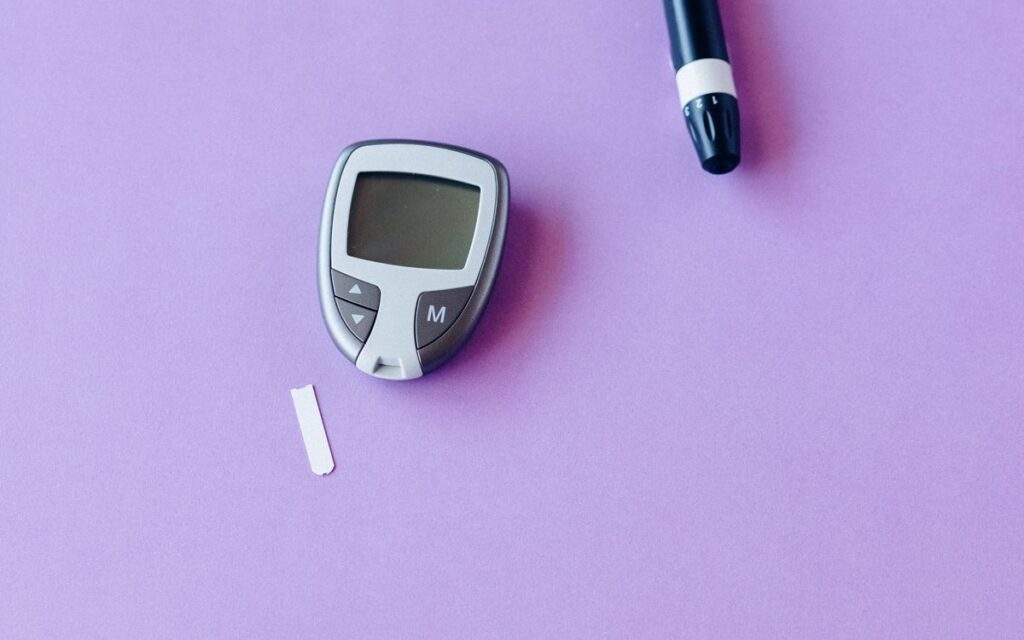
A change in erections can be worth raising at a diabetes checkup, even when blood sugar readings look good. Here is how to describe the change and get useful answers.
How Does Weight Affect Men’s Sexual Health?

What weight can and cannot tell you about erections, desire, and comfort, including what researchers learned from a two-year lifestyle study.
What Are the Most Common Causes of Erectile Dysfunction?
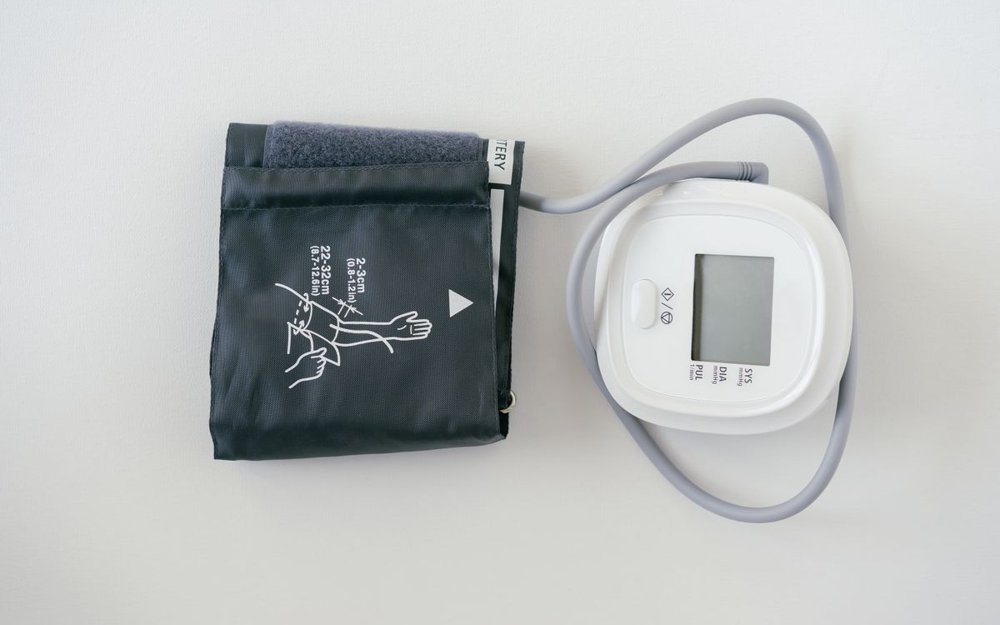
Understand how circulation, nerves, medicines, hormones, and emotional health can interact, and which clues help clinicians choose the next steps.
When Should Men Get Their Testosterone Levels Checked?

When symptoms or medical history justify testosterone testing, how to prepare for an informative blood draw, and why a single low value needs confirmation.
Can Testosterone Therapy Improve Sexual Performance?

What a major clinical trial found about testosterone, desire, and erections, plus questions about fertility, blood pressure, and treatment goals.
When Your Sex Drive Changes: How to Talk About It With Your Partner

A practical way to talk about changing sexual desire with a partner and a clinician, including how to describe the change and ask for the kind of help you want.
Does Low Testosterone Cause Erectile Dysfunction?
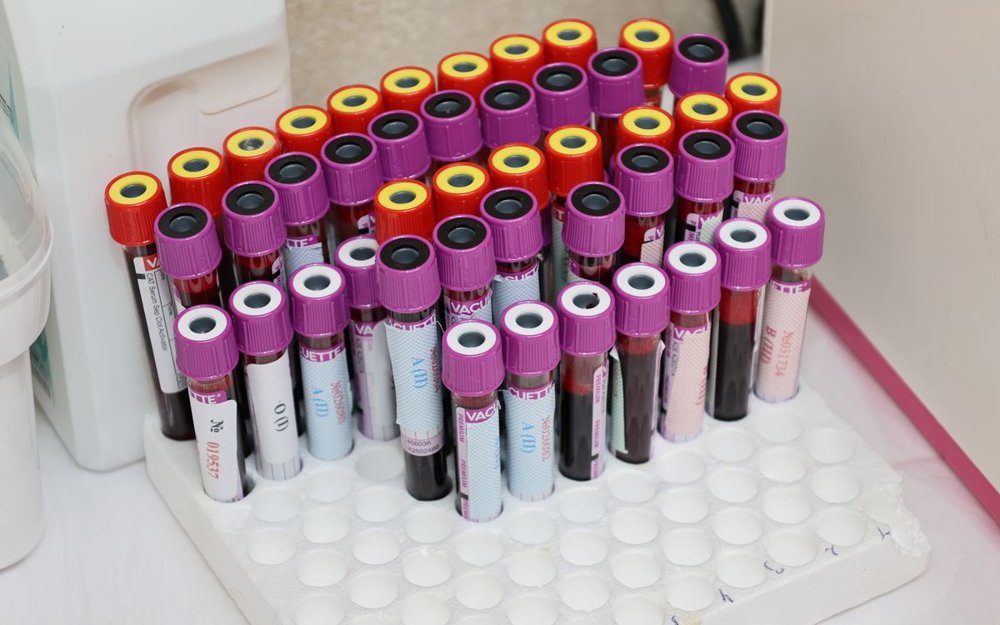
Low testosterone can contribute to erection problems. Learn why desire, morning erections, and correctly timed blood tests can tell different parts of the story.