
Testosterone Replacement Therapy: Benefits, Risks, and What to Expect

Weigh the benefits seen in clinical studies against fertility, blood pressure and monitoring considerations, including practical differences between treatment forms.
Why Do I Feel Hungry All the Time?

Use the timing of hunger, meal patterns and accompanying symptoms to decide whether you need a practical adjustment or medical attention.
Why Does My Metabolism Slow Down as I Get Older?

See what research actually found about energy needs between 20 and 60, and how movement, muscle and health can change your own experience.
How Long Does It Take for Testosterone Therapy to Work?
Understand why a testosterone blood level and a change in symptoms follow different clocks, and how to prepare for a three-to-six-month treatment review.
What Is a Normal Testosterone Level for a Man?
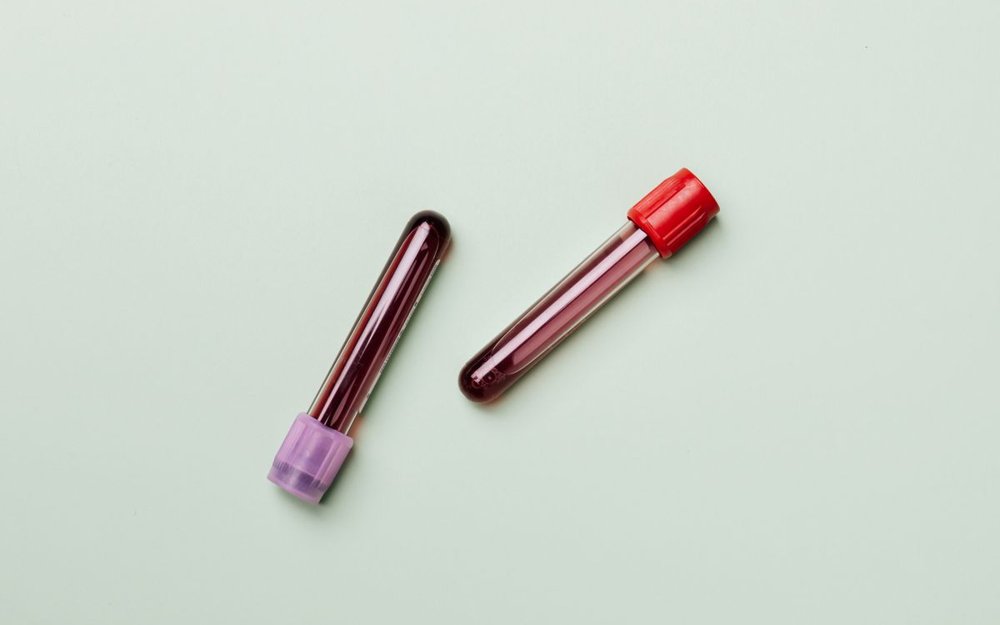
Learn how to read the units, timing and reference range on your testosterone report, and why a borderline result often needs a second look.
Can You Increase Testosterone Naturally?

Some causes of a low testosterone reading are reversible. See where diet, activity, sleep and medical evaluation fit, and how to judge a booster claim.
Does Testosterone Help With Muscle Growth and Recovery?

Testosterone can affect muscle mass, but a gym plateau rarely tells the whole story. Learn what treatment studies measured and how to investigate slow recovery.
What Is Biological Age and Can You Improve It?
A biological age test might assign you a different age from your birthday. Learn what that estimate measures and which changes are worth following.
What Is the Difference Between Peptides and Hormones?
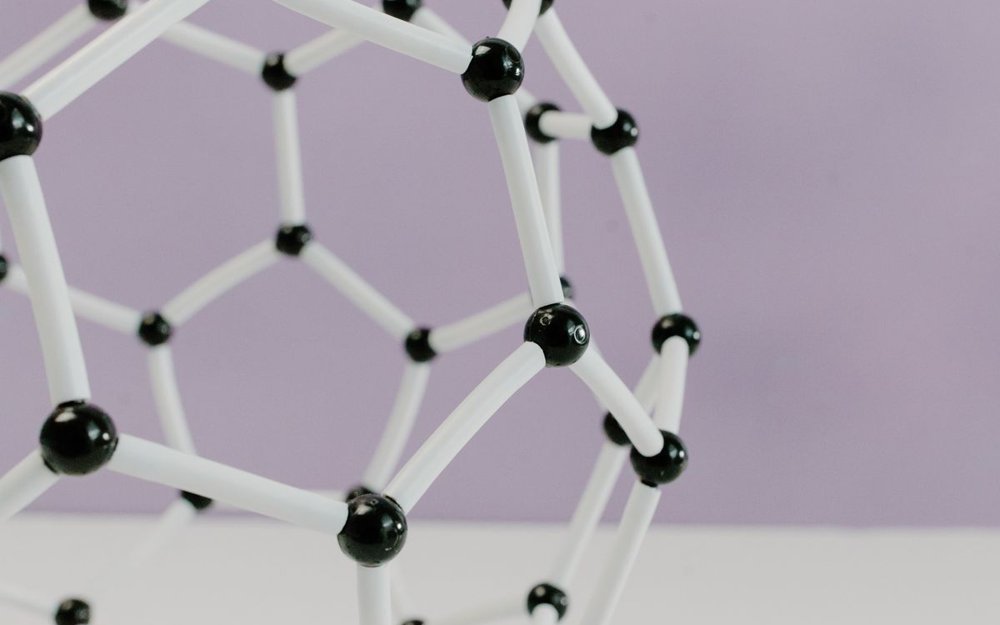
A peptide describes a molecule’s structure. A hormone describes its job. Insulin, testosterone and a familiar blood test show why the distinction matters.
What Are Peptides and How Are They Used in Medicine?

Insulin and some diabetes medicines illustrate how peptides work. Learn how to read a peptide claim and check the evidence for a particular medicine.