
Men’s Health Resources / Peptides, Longevity, and Performance
What Does a Comprehensive Metabolic Panel Tell You?
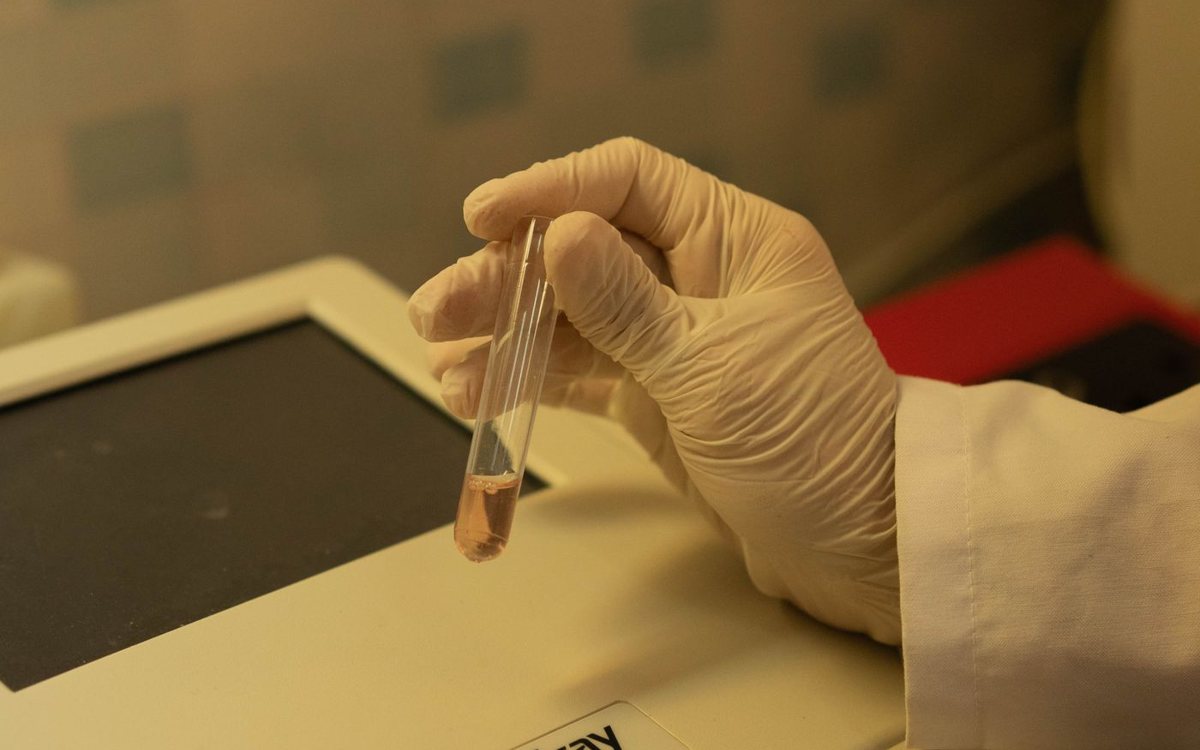
The full name is comprehensive metabolic panel, usually shortened to CMP. It measures 14 substances in one blood sample. Together they give a clinician clues about blood sugar, kidney filtration, liver health, proteins, electrolytes and fluid balance. Despite the word “metabolic,” the test cannot tell you how many calories you burn or how fast your metabolism runs. The most useful place to start reading a report is with the reason someone ordered it.
A man taking a medicine that can affect potassium may have the same panel as someone being evaluated after several days of vomiting. The printed list looks familiar in both cases. The clinician looking after the first person may be checking for a medication effect. For the second, changes in fluid balance and kidney function may be more pressing. Knowing the question helps you see why one result got a phone call while the rest received little comment.
Find Four Groups on the Report
Start with glucose, the sugar circulating in your blood at the time of the draw. Whether you had breakfast matters. A clinician interprets a value after a meal differently from one obtained after a requested fast. Glucose is also different from hemoglobin A1C, which reflects average blood sugar over roughly the previous three months. An A1C is a separate order. If you are trying to understand a change since last season, check which of the two numbers you are reading.
Look next for sodium, potassium, chloride and bicarbonate. Some laboratories label the bicarbonate measurement “CO2” or “total CO2.” These results help a clinician assess fluids, minerals and the body’s acid-base balance. The CO2 entry here comes from blood chemistry. A fingertip oxygen monitor answers a different question. Calcium also appears on the panel. Blood calcium matters for nerves and muscles, while a bone density scan answers a different question about the strength of your bones.
The next pair is creatinine and blood urea nitrogen, often shortened to BUN. Both are waste products that the kidneys help clear. A report may also include an estimated glomerular filtration rate, or eGFR, calculated using creatinine and other information. That extra line can make the report look as though the laboratory performed another blood measurement. It is an estimate of filtering ability. Kidney assessment can also involve checking urine for albumin. The urine test requires its own sample and answers a question the CMP cannot settle by itself.
The remaining six entries are albumin, total protein, bilirubin and three enzymes usually displayed as ALT, AST and ALP. Albumin is one of the proteins included in total protein. Bilirubin is produced as the body recycles old red blood cells, then processed by the liver. The enzyme results offer clues about possible tissue injury or problems with bile flow. Several tissues can contribute to these readings. A clinician considers how they look together, with your history and any symptoms, before deciding whether a liver problem is likely.
Notice What Is Missing
Despite its name, a comprehensive panel leaves out several familiar tests. It does not count red blood cells, measure cholesterol, check thyroid hormone or determine testosterone levels. A complete blood count, or CBC, is a different test, even when blood for both orders is collected at one visit. If fatigue led to the appointment and every CMP result falls within range, tell the clinician whether the fatigue continues. That information helps decide whether to look further. Buying a collection of unrelated tests can leave you with more numbers and no clearer question.
You may also see the initials BMP on a past report. A basic metabolic panel contains eight of the usual CMP measurements. It leaves out the two protein measurements, bilirubin and the three enzymes. Imagine comparing this spring’s panel with one from last winter and finding no ALT value in the older record. Look at the name of the earlier order before assuming the laboratory omitted it or that your liver health changed. Sometimes the two visits simply called for different information.
Make the Comparison Fair
Look at the collection date, units and reference interval printed beside the result. A reference interval describes values a laboratory expects in a reference population. An isolated flag is a reason for interpretation. It does not establish a disease on its own. An in-range result can also deserve attention when it has changed substantially from your usual level. For comparisons over time, use the reports themselves. A screenshot with a red arrow and no units throws away some of the information the clinician needs.
Consider two glucose results saved on a phone. One came from a routine morning visit after an overnight fast. The other came from an urgent visit after a sandwich and a sweet drink. Simply subtracting the first number from the second cannot establish that blood sugar control has deteriorated. Write down what you remember about the two samples. Your clinician can decide whether a properly timed repeat, an A1C or a different approach best answers the original question.
Kidney results present another common puzzle. Someone may find an old eGFR, see a lower number on a new report and wonder if the change is permanent. The date of an illness, a recent change in medicines, prior kidney measurements and a urine albumin result can all influence the next discussion. Give the office those dates instead of guessing the cause. If the report or clinician instructs you to get urgent care, follow that instruction immediately rather than waiting to assemble older records.
Prepare for the Draw and the Follow-Up
Before the appointment, ask whether this particular order requires fasting, what you can drink and how to handle your usual medicines. Instructions can depend on the other tests being drawn at the same time. People using diabetes medicines may need specific directions from their own care team before fasting. Keep taking prescribed medicines as directed unless that team advises a change. If you accidentally eat before a fasting appointment, tell the laboratory what you ate and when. That allows the person collecting the sample to clarify how to proceed.
At follow-up, write down the exact question the clinician wants a repeat test to answer. “Repeat the panel” is easy to forget. “Recheck potassium after the recent prescription change, on the date the office gave me” connects the order to a decision. Confirm when the office wants the blood drawn, how you will receive the result and whom to contact if the planned response does not arrive. You should leave knowing which result matters now, what to do next and whether anything requires an earlier call.
For a wider discussion of which tests belong in a preventive visit, see Blood Tests for Men Over 40. Our blood work and biomarker guide can also help you prepare questions for the clinician who ordered your panel.