
Men’s Health Blog / Weight Loss and Metabolic Health
Why Is Belly Fat So Hard to Lose After 40?
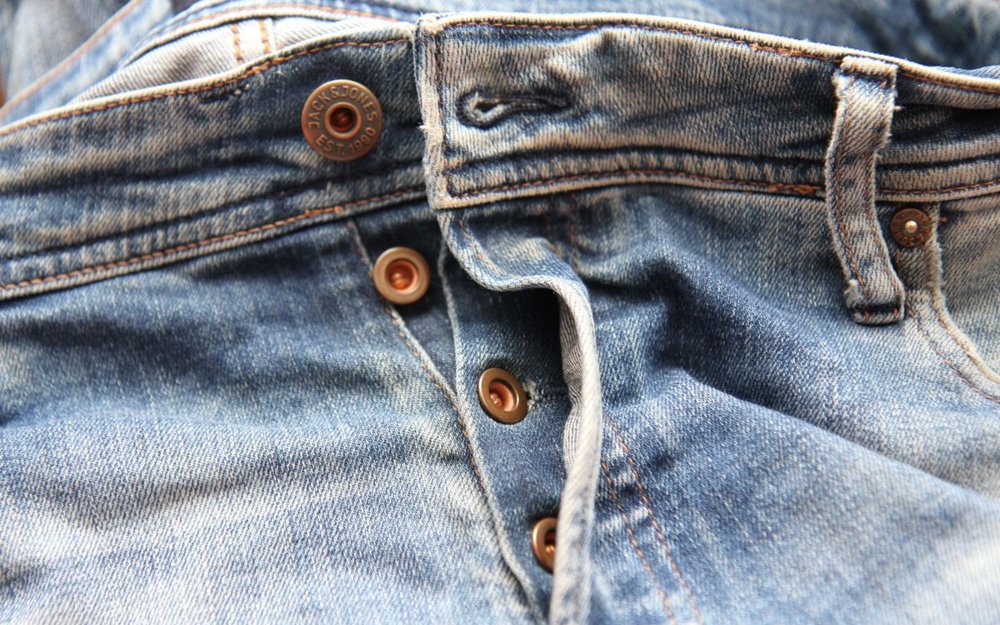
A belt can tell you that your waist has changed before the bathroom scale gives you much of a clue. After 40, a combination of where your body stores fat, how much muscle you carry and how you spend an ordinary day can make that change more noticeable. There is no birthday when your body suddenly stops using fat for energy. You also cannot choose which fat depot gets smaller first. A useful place to begin is to establish whether your waist is actually trending upward and what else has changed alongside it.
What a Larger Waist Can Tell You
The fat you can pinch sits beneath the skin. Another layer of fat sits deeper inside the abdomen, around the organs. Higher amounts of this deeper fat are associated with greater risk of problems such as type 2 diabetes and cardiovascular disease. Pinching your stomach cannot tell you how much you have. Neither can a belt size, since pant manufacturers use different measurements. A tape provides a reasonable starting point for a conversation about risk; blood pressure, glucose, cholesterol and family history give that conversation a lot more meaning.
A changing outline does not always mean fat gain. A stomach that feels flatter on waking and noticeably distended after a meal can reflect normal digestion, gas or constipation. Fat does not accumulate between breakfast and supper and then disappear overnight. Persistent new swelling, abdominal pain or an unexplained change in weight deserves medical attention. Think twice before responding to a newly swollen abdomen by restricting food, especially if your appetite, bowel habits or breathing have also changed.
What Changed Around the Time Your Waist Changed?
Think back to an ordinary Tuesday five years ago. Did you cross a parking lot several times, carry supplies at work, climb stairs or take a dog outside after dinner? Now reconstruct a recent Tuesday. A move from a field job into dispatch might mean you still work long hours and feel just as tired at the end, yet spend far less time on your feet. Two strenuous workouts a week may not replace all the movement that quietly disappeared from the other five days.
The same comparison works for food. An evening beer may have turned into two while watching a game. A long commute may mean eating a convenience-store snack and still sitting down to the usual dinner. Those changes do not require an overhaul of every meal. Choosing a satisfying afternoon snack on purpose or alternating an alcoholic drink with a nonalcoholic one gives you a specific habit to test. Alcohol can contribute energy even when the glass looks small. Ask a clinician for support if cutting back feels difficult.
Why Crunches Alone Rarely Change a Belt Size
Abdominal exercises train the muscles that bend or stabilize your trunk. Better core strength can make lifting, carrying and getting off the floor easier. The skin and fat above those muscles have their own biology, though. Completing another set of crunches does not direct your body to use the fat immediately above the working muscle. If you enjoy core work, keep it alongside activities that use your legs, hips, back and arms. A walk with a neighbor and a strength session accomplish different things, and both can earn a spot on the calendar.
For generally healthy adults, the CDC recommends working toward at least 150 minutes of moderate aerobic activity weekly and strengthening the major muscle groups on at least two days. A manageable starting point can be much smaller. If midday heat makes a Gulf Coast walk unpleasant, an indoor route or a short walk in a cooler part of the day offers another option. Choose a starting level you can repeat without pain. Someone returning after surgery or living with a condition that limits exertion may need a different plan. See the CDC’s adult activity guidance.
Take a Measurement You Can Reproduce
Use a flexible, nonstretch tape on bare skin. Stand comfortably and place the tape horizontally around your middle just above the hip bones. A mirror can help you spot a tape that slopes downward across the back. Breathe out normally and read the number without drawing in your stomach or pulling so tightly that the tape digs in. Record the placement and units. A partner can help if reaching around your back is uncomfortable. Measuring at the navel one week and above the hips the next makes the result hard to interpret.
Pick a similar time and repeat under similar conditions after several weeks. A substantial meal, different posture or a tighter pull can easily change an isolated reading. If tracking numbers causes distress, you can ask your clinician to take the measurement at visits instead. For many adult men, a waist above 40 inches signals increased health risk; risk may rise at smaller waists in some populations. The number is one screening measure. A clinician can interpret your personal risk even if your waist is below the commonly used threshold.
If you want to share the trend with a clinician, write the measurement and the date together. A note saying “up one belt hole this season” can still be useful if you do not own a tape. Include whether the belt itself changed or whether work clothes fit differently in other places. A few honest observations make a better starting point than a number reconstructed from memory.
Choose an Experiment That Fits Your Week
Imagine a man who notices a tighter belt after taking an office job. At first he plans to skip lunch. Looking at his week, he realizes he already goes hours without eating and arrives home hungry enough to snack while making dinner. He chooses to pack lunch on his three longest workdays and walk an indoor loop after two of them. His first question at the end of the week is whether he actually got the break he planned. If the answer is no, changing the timing may accomplish more than narrowing the menu.
Consider what would make the experiment worthwhile even before a tape measurement changes. Perhaps you can walk farther with your family or finish a shift without feeling ravenous. Those outcomes make a habit easier to maintain. If your waist continues to increase over several months, bring the dates, measurements and a list of medicines to a medical visit. Mention new snoring, daytime sleepiness or major changes in energy. Those details can guide an assessment that a photograph or a bathroom scale alone could never provide. The NIDDK overview of factors affecting weight explains how sleep, medicines, health and environment can all play a role.
Explore our medical weight management page for more about discussing a change in waist or weight at a visit.