
Men’s Health Blog / Low Testosterone and Hormone Health
Still Tired After Eight Hours? How to Reconstruct a Night’s Sleep
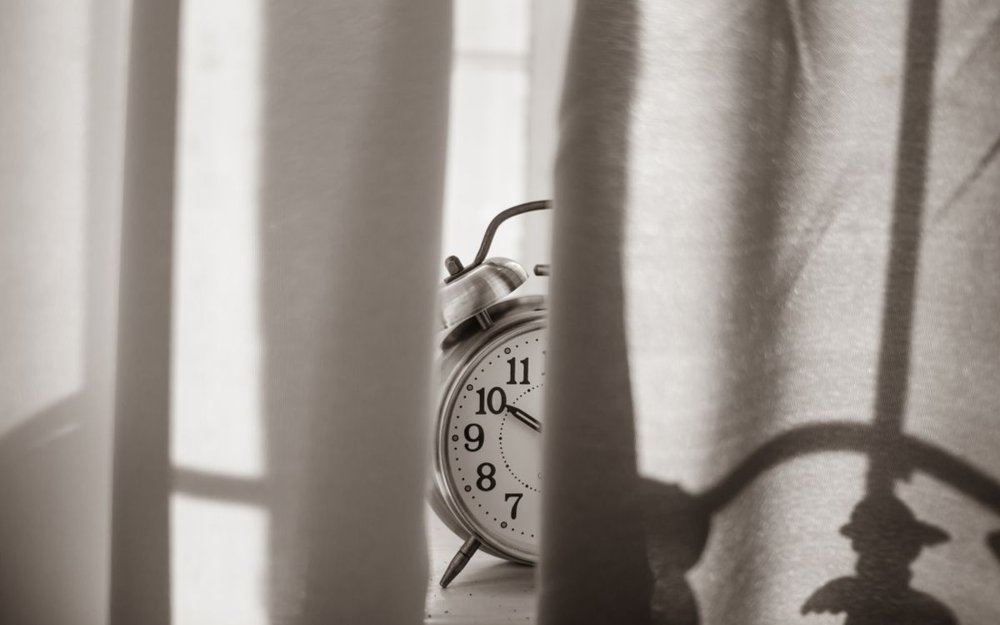
You turn in at ten and the alarm rings at six. On paper, you got eight hours. At the first red light on the drive to work, you catch yourself fighting to keep your eyes open. Where did those eight hours go? Time in bed tells you how much opportunity you had for sleep. It says less about how long you actually slept, how often your sleep was interrupted, or whether you were sleeping at the time your body expected to sleep.
The first question is what “tired” feels like. If you would fall asleep during a quiet conversation, that is daytime sleepiness. If you feel drained while fully awake, fatigue may be a better description. If your legs will not do something they normally can, describe weakness instead. You can experience more than one. The distinction helps a clinician decide whether to focus first on sleep, physical function, medicines or another possible cause.
Reconstruct One Night Instead of Guessing an Average
Choose last night. Write down when you got into bed, when you put away the phone, when you think you fell asleep, the awakenings you remember, your final waking time and when you stood up. Estimates are enough. Suppose a person spent eight hours in bed, read for half an hour, took half an hour to fall asleep and spent another half hour awake overnight. That leaves about six and a half hours of sleep. None of the individual interruptions had seemed especially long.
Now reconstruct a day off. Some people consistently sleep much later without an alarm. Others wake at the same time but feel better when they can get up slowly. Those observations are more informative than an app’s overall score. A wearable may help establish bedtimes and regularity. It cannot tell you why you feel tired or rule out breathing problems just because it recorded a respectable amount of sleep.
Look for Interruptions You Might Not Remember
Obstructive sleep apnea is one possible explanation when a man regularly allows time for sleep but still struggles to stay awake. Breathing repeatedly becomes obstructed during sleep. A person may wake briefly without remembering most of those disruptions. A bed partner might notice loud snoring, breathing pauses or gasping. Other clues can include dry mouth or a headache on waking and repeated trips to the bathroom. None of these observations alone establishes the diagnosis.
If someone has seen pauses, ask what they actually observed and tell your clinician. You do not need to record yourself sleeping or purchase a monitoring device to make the concern worth raising. Someone who sleeps alone may have no information about snoring. Persistent sleepiness still merits attention. Your provider can decide whether a sleep study is appropriate and what kind of study would answer the clinical question.
Ask Whether Your Schedule Fits Your Body Clock
Eight hours after a night shift can feel different from eight hours at night. Daylight, deliveries, family responsibilities and the timing of your internal sleep rhythm all affect how easy it is to sleep during the day. Consider a Gulf Coast worker who rotates between early starts and overnight shifts. Combining all seven nights into a weekly average could hide the fact that the hardest days consistently follow the first shift change.
Make two columns, one for workdays and one for days off. Record the hours you worked and when you needed to be most alert. Add naps, the time of your last caffeinated drink, and alcohol near bedtime if applicable. You are looking for something that repeats. A schedule change may be worth discussing with a supervisor or clinician, but persistent sleepiness should not be dismissed as simply the price of working shifts.
Review Your Medicine Cabinet as Well as Your Bedroom
A new allergy tablet, sleep aid, pain medicine or other prescription can change daytime alertness. Products sold without a prescription count too. Take the boxes, a photo of the ingredient labels or a list of names and times to the pharmacist or clinician. Brand names alone can be misleading because products carrying the same brand may have different ingredients. Mention when the problem started relative to any change, including a switch from occasional to regular use.
Do not stop a prescribed medicine on your own to test a theory. Instead ask whether a medicine could contribute, whether the timing matters, and what a supervised change would look like if one were appropriate. While waiting for an appointment, small practical improvements can include making the room dark during your sleep period and agreeing with household members on protected quiet hours. These measures do not substitute for investigating breathing pauses or dangerous sleepiness.
When to Look Beyond Sleep
If you wake alert but run out of physical energy climbing stairs or completing routine errands, say so. A clinician may ask about bleeding, food intake, mood, pain, recent illness, activity, exercise tolerance and other changes. The decision to check for anemia, thyroid disease or a different problem depends on that history and an examination. Ordering a panel of tests because one online article mentions a possible cause can create more questions without explaining the original symptom.
Testosterone sometimes comes up in conversations about fatigue. Persistent changes in sexual desire or spontaneous erections alongside fatigue may make a hormone discussion more relevant. Low energy alone gives little direction. If your main problem is drifting off at traffic lights and your partner reports gasping, lead with those observations. They matter even if you have an appointment specifically described as a men’s health consultation.
Protect Your Safety Today
Dozing at the wheel, coming close to a collision or losing track of part of a drive deserves immediate action. Pull over somewhere safe and arrange another way to travel. Opening a window or turning up the radio is an unreliable response to sleepiness. If it also affects a safety-sensitive job or operation of machinery, arrange to stop the hazardous task and speak with a healthcare professional promptly. Do not wait for a full week of diary entries before asking for help.
For a routine visit, a short statement often works better than a perfect spreadsheet. Try something like, “I spend about eight hours in bed on work nights, I wake with a dry mouth, and I have started falling asleep while reading to my child.” Include how long this has been happening and how it differs from your usual self. That gives the discussion a starting point and a practical measure of improvement that matters to you.
Further Reading
- NHLBI guide to the nighttime and daytime signs of sleep apnea
- NHLBI guide to sleep apnea diagnosis
- Endocrine Society patient information on testosterone deficiency
At Biloxi Men’s Health, explore the sleep and recovery guide for questions to bring to your visit.